A Festival of Sun, Harvest, and Joy – Makar Sankranti
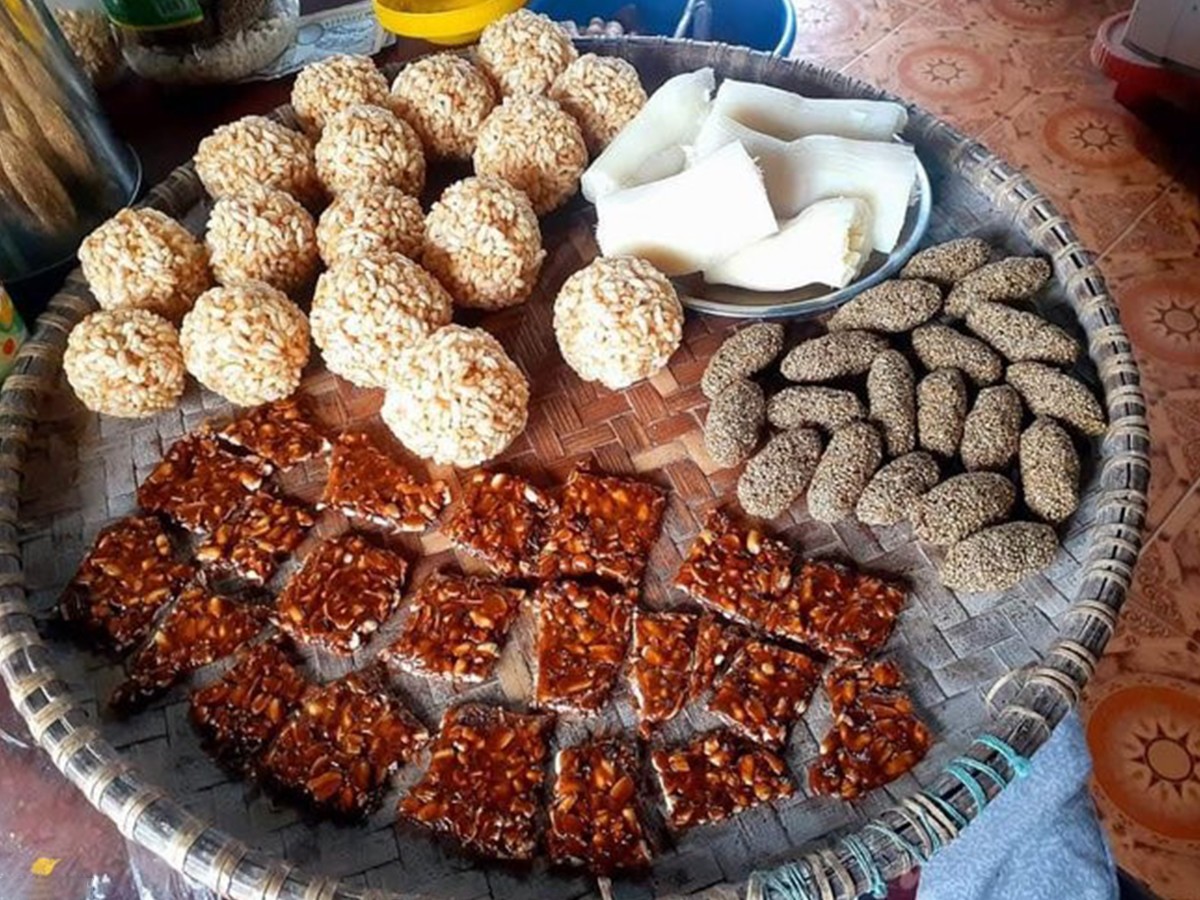
Makar Sankranti also called as Maghe Sankranti is celebrated on every year on first day of Magh (typically falls in mid-january). This festival signifies longer days and warmer days. It is marking the Sun’s transition into Capricorn (Makara Rashi).Maghe Sankranti is celebrated with holy dips, feasts of til laddoo (sesame sweets), chaku (molasses), and yam, and kite flying across India and Nepal.
Significance of Maghe Sankranti
- Tharu Community’s New Year: The Tharu people celebrate Maghe Sankranti as their New Year, with special feasts and gatherings.
- Magar Community Festival: It is a government-declared annual festival for the Magar community, highlighting its cultural importance.
- Newari Tradition: In Kathmandu Valley, the Newar people prepare ghyo-chaku (ghee and molasses delicacy) as a symbol of warmth and energy.
- Brotherhood and Harmony: The festival promotes unity among diverse Nepali communities, reinforcing cultural identity and social bonds.
- Community Gatherings: Families and neighbors come together for feasts, fairs, and temple visits.
- Symbol of Renewal: Longer days signify hope, prosperity, and the triumph of light over darkness.
Celebrations of Maghe Sankranti in Nepal
Nepali Hindus
- Traditionally the main observers.
- Rituals include bathing in holy rivers (Bagmati, Devghat, Kaligandaki, Trivenighat, etc.), eating festive foods like til laddoo (sesame sweets), chaku (molasses), and yam.
- Marks the end of winter solstice and beginning of longer days
Magar Community
- Annual Festival: Maghe Sankranti is officially recognized as the M002agar community’s annual festival.
- Family & Social Bonding: Relatives gather for shared meals, storytelling, and traditional games.
- Cultural Identity: The celebration reinforces Magar heritage and communal pride.
Tharu Community
- New Year Celebration: Maghe Sankranti marks the beginning of their New Year for Tharu people.
- Feasts & Gatherings: Families prepare traditional dishes, especially yam, sesame sweets, and rice-based meals.
- Symbolism: The festival represents renewal and hope for the agricultural year ahead.
In conclusion, Maghe Sankranti embodies the values of purification, prosperity, and harmony, reminding us that renewal is both cosmic and personal. It brings people together through holy river baths, charity, feasts of sesame and jaggery, kite flying, bonfires, and cultural fairs. Maghe Sankranti is a festival of light, warmth, and togetherness, marking the transition from darkness to hope and from scarcity to abundance.

-
PO Box: 10987
Thamel, Kathmandu -
+977-01-4700563, +977-01-4700066
Whatsapp: +977 9851167070

